PEAK CLIMBING · SPRING & AUTUMN 2027
Spring: 10 April · 20 April
Autumn: 15 October · 5 November
Mera Peak
An ideal next step for fit trekkers who want to cross the 6,000-metre mark for the first time – through the remote Makalu region to the 6,476-metre summit with glacier sections and crampons.
Duration
19 days
Max. Altitude
6,476 m
Difficulty
Difficult
Group Size
7-11 people
Route Paiya · Khare · Mera
Season
March–May · Autumn
Experience
Crampon skills
YOUR FIRST STEP ABOVE 6,000 METRES
Go higher – without extreme technical climbing.
The route begins with the flight to Lukla but soon leaves the busier trails of the Everest region. A gradual approach through Paiya, Pangkoma, Ningsow and Chhatra Khola leads into the remote Hinku Valley. From Kothe and Thaknak, the route continues steadily higher to Khare, where the final acclimatisation and summit preparation begin.
After the climb, the return route leads via Kothe and Thuli Kharka before crossing the Zatrwa La back towards Lukla.
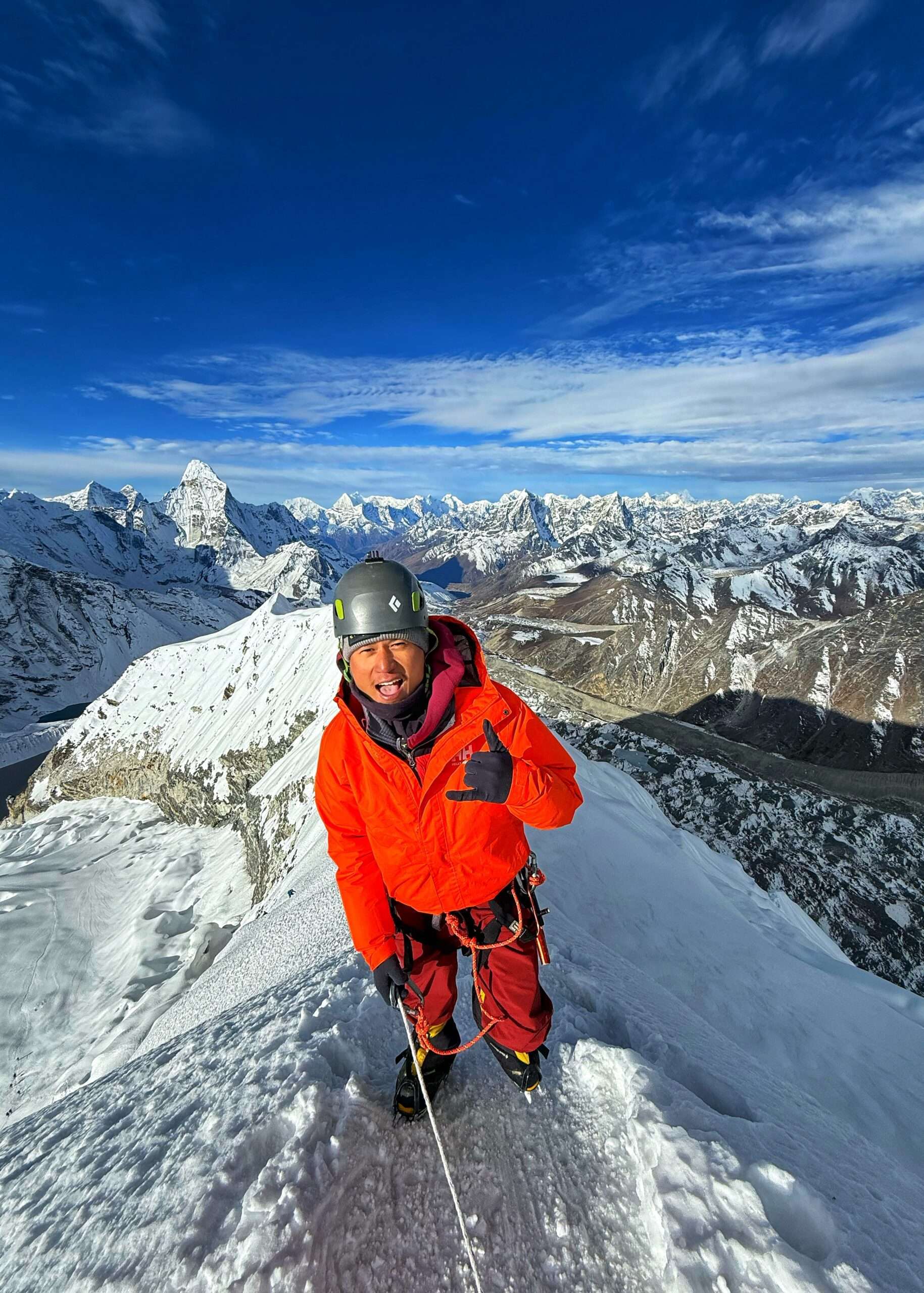
What to expect on this journey.
REQUIREMENTS
Ready for your first high-altitude summit?
Mera Peak is technically less complex than many other Himalayan summits. That does not mean, however, that the tour is easy.
The altitude of 6,476 metres, long trekking days and the final ascent over snow and glacier terrain require excellent physical preparation and gradual acclimatisation.
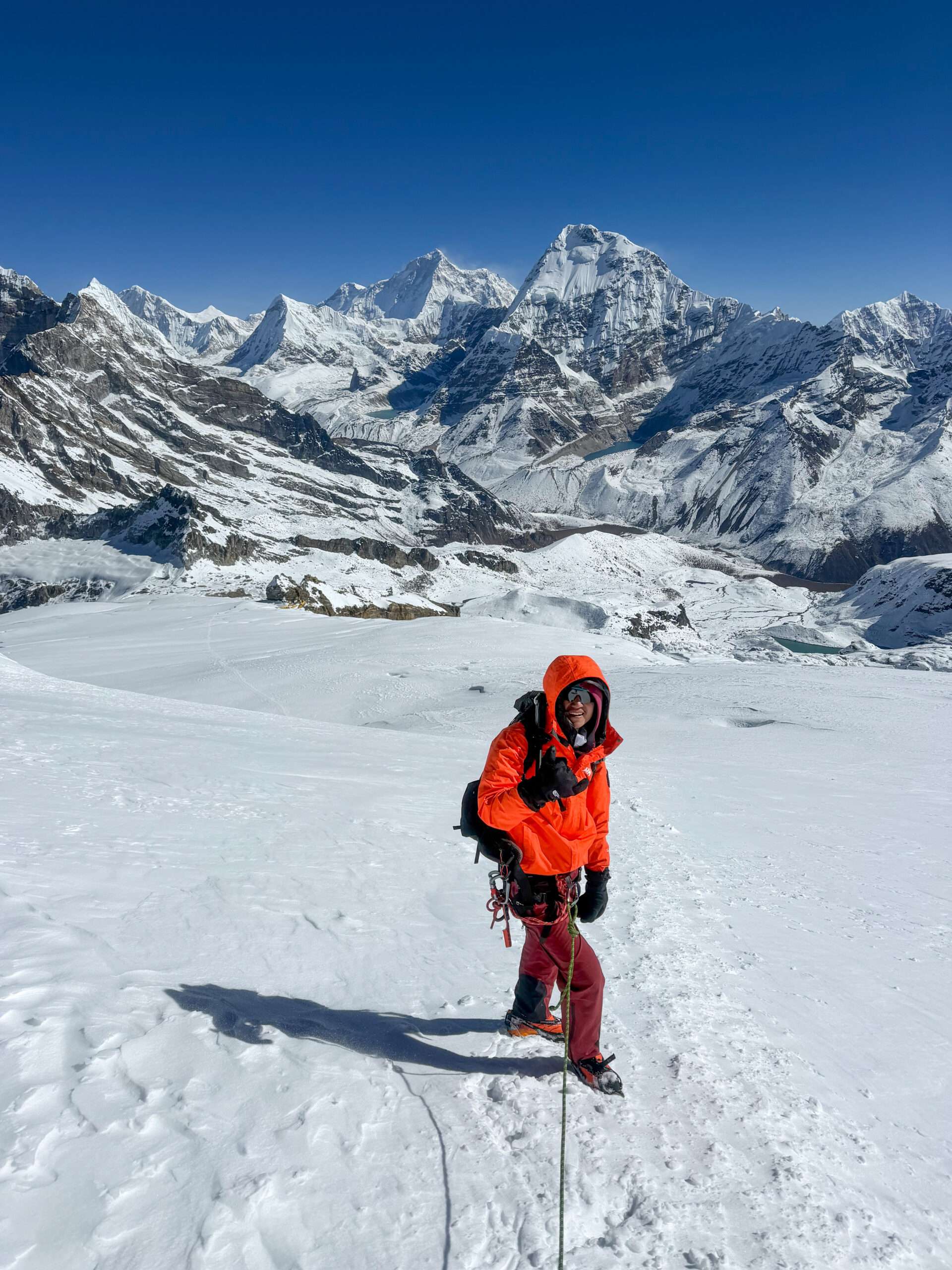
Basic skills with crampons and an ice axe are necessary. Practical preparation is planned in Khare before the summit attempt.
For fit trekkers with good high-altitude experience, Mera Peak can therefore be a sensible next step towards alpine mountaineering.
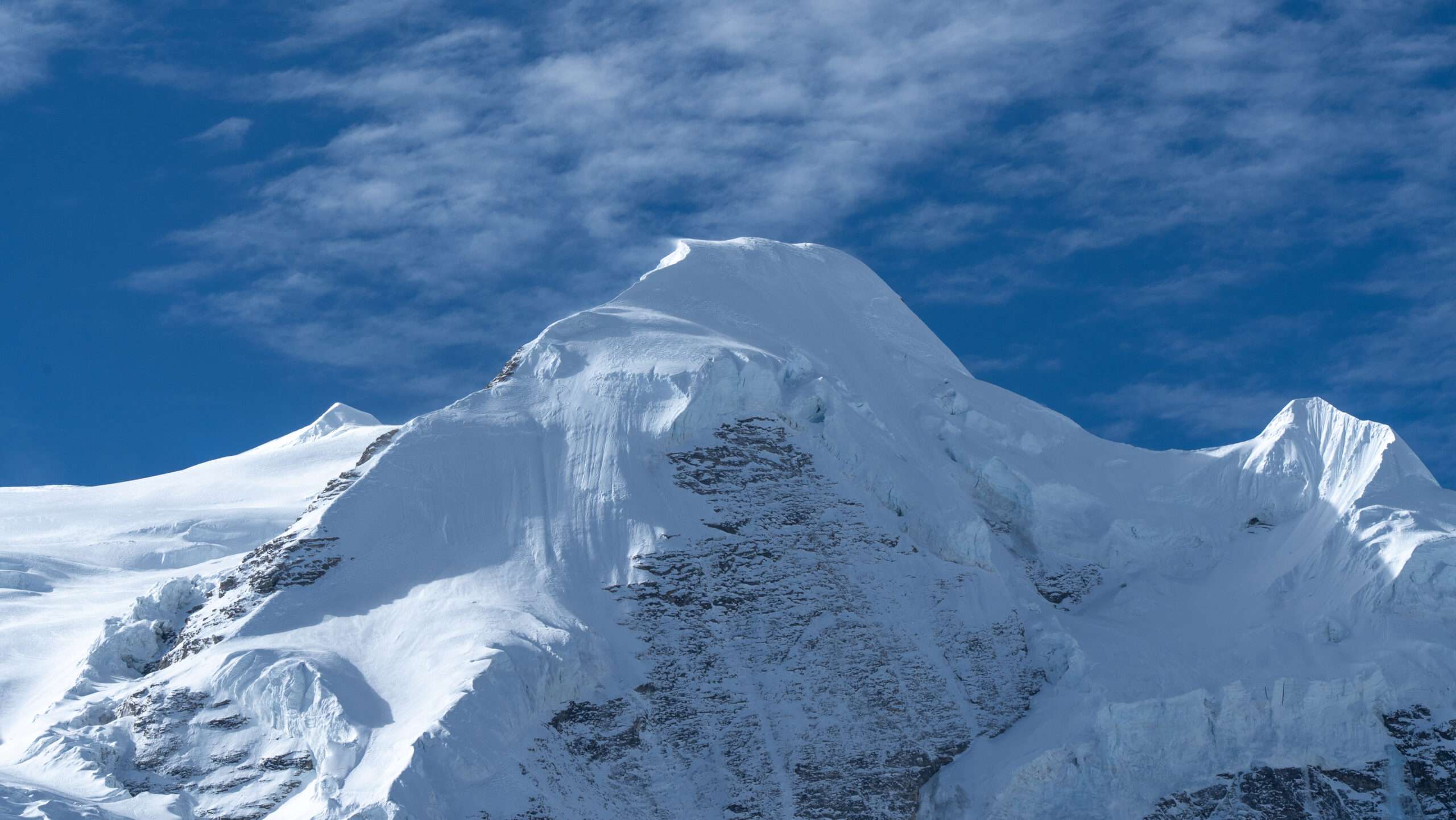
Route & Highlights
A gradual journey through the Hinku Valley to 6,476 metres.
The 19-day programme follows a gradual approach designed to build altitude step by step. From Lukla, the route first travels through quieter villages and forested landscapes before entering the Hinku Valley and continuing towards Khare.
The Zatrwa La is crossed on the return journey to Lukla rather than during the approach to Mera Peak.
LUKLA
2,840 m
Starting point of the trek after the domestic flight.
PAIYA & PANGKOMA
The first stages leave the main Everest trail and follow quieter paths through forest, farmland and mountain settlements.
NINGSOW & CHHATRA KHOLA
A gradual approach towards the Hinku Valley, allowing the journey to gain altitude progressively.
KOTHE
3,690 m
First major stop inside the Hinku Valley.
THAKNAK
4,358 m
A high-altitude settlement beneath Kusum Kanguru on the way towards Khare.
KHARE
5,045 m
Main acclimatisation and preparation point before the climb.
MERA HIGH CAMP
5,780 m
Final camp before the summit attempt.
MERA PEAK SUMMIT
6,476 m
Highest point of the journey, with views of Everest, Lhotse, Makalu, Cho Oyu and Kanchenjunga in good conditions.
ZATRWA LA
approx. 4,600 m
High pass crossed during the return journey from Thuli Kharka to Lukla.
ITINERARY
19 days with a gradual approach to Mera Peak.
Phase 1
ARRIVAL & PREPARATION
Arrival in Kathmandu, pre-climbing briefing, paperwork and final equipment preparation.
A basic climbing training session covers the use of crampons, ice axe, harness, ascender and fixed ropes. Afterwards, the journey continues by road to Ramechhap for the flight to Lukla.
Phase 2
LUKLA & GRADUAL APPROACH TO THE HINKU VALLEY
After the flight to Lukla, the trek begins towards Paiya.
Over the following days, the route continues through Pangkoma, Ningsow and Chhatra Khola before reaching Kothe in the Hinku Valley.
This longer approach allows altitude to build progressively instead of crossing directly over the Zatrwa La at the beginning of the journey.

Phase 3
THAKNAK, KHARE & ACCLIMATISATION
From Kothe, the route climbs to Thaknak and then to Khare at 5,045 metres.
A dedicated acclimatisation and pre-climbing training day at Khare allows time for recovery, an equipment check and practical training with crampons, ice axe, harness and ascender before moving higher.
Phase 4
HIGH CAMP, SUMMIT & RESERVE DAY
The climbing phase begins with the ascent from Khare to Mera High Camp at approximately 5,780 metres.
The summit attempt starts early and follows snow and glacier terrain to Mera Peak at 6,476 metres before descending back towards Khare.
One additional day is reserved for rest, weather or a slower summit schedule.
Phase 5
RETURN VIA ZATRWA LA
The route descends through the Hinku Valley back to Kothe and then climbs towards Thuli Kharka.
On Day 17, the team crosses the Zatrwa La at approximately 4,600 metres and descends to Lukla.
Phase 6
RETURN TO KATHMANDU & DEPARTURE
A domestic flight returns the group to Kathmandu, operating via Ramechhap when required by seasonal flight schedules.
The journey concludes with the final departure on Day 19.
Note
The exact schedule may be adjusted due to weather, flight conditions, acclimatisation and conditions on the mountain.
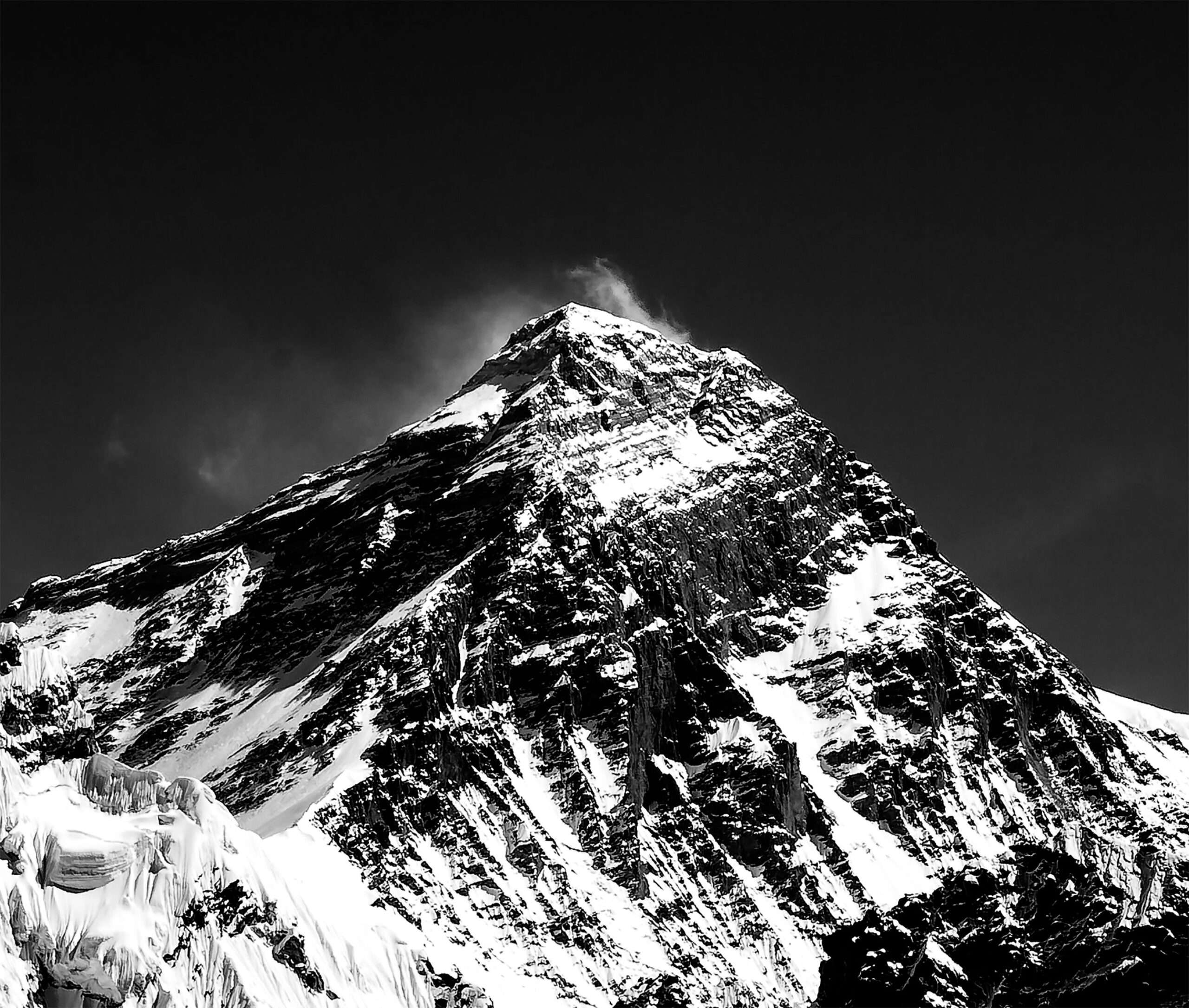
EVACUATION & EMERGENCY
When descending on your own is no longer enough.
Weather, snow conditions, altitude, physical condition and other factors can change a tour at any time.
On the mountain, the guide in charge decides whether an ascent can continue under the current conditions or whether turning back is necessary.
These decisions matter before something goes wrong, not only after. Good guiding means assessing situations early, communicating openly and changing a plan when necessary.
Turning back responsibly is not a failure. It can be the right decision for a safe return.
WHAT IS INCLUDED?
Included in your Mera Peak journey.
Permits & Administration
- required permit for Makalu National Park
- Mera Peak Climbing Permit
- government fees and administrative processing
Transport & Flights
- airport transfers in Kathmandu
- domestic flights to Lukla and return
- where applicable, flight via Ramechhap/Manthali during the main season
- domestic flight taxes and baggage handling
Accommodation & Meals
- 3 hotel nights in Kathmandu
- 13 nights in teahouses
- 1 night in a tent / Mera High Camp
- breakfast during hotel nights
- three hot main meals per day during the trekking phase
- 1 litre of drinking water per trekking day as specified
- tea or coffee with the included meals
- welcome and farewell dinner
Guides & Support
- experienced English-speaking trekking guide
- experienced Climbing Guide for the summit phase
- porters at a ratio of one porter per two participants
- insurance, accommodation, meals and wages for the support team
Additional Services
- 70–80-litre duffel bag
- Sky Ridge shirt
- Trip Completion Certificate
WHAT IS NOT INCLUDED?
Not included in the trip price.
Documents & Insurance
- international flights
- Nepal visa
- personal travel, mountaineering and rescue insurance
- personal medication and medical treatment
Personal Equipment
- personal trekking and mountaineering equipment
Kathmandu & Trekking
- additional meals in Kathmandu outside the programme
- hot showers
- additional drinks, drinking water and snacks
- single-room supplements
Communication & Luggage
- Wi-Fi and internet
- charging electronic devices
- excess baggage on the domestic flight
Tips & Additional Costs
- tips
- costs arising from weather-related flight delays
- rescue costs that may need to be advanced if insurance authorisation is delayed
PREPARATION
Equipment for your 6,000-metre peak.
For Mera Peak, you need personal mountaineering equipment for snow, glacier terrain and summit day in addition to complete trekking gear.
Before the journey, you receive a detailed packing list. Sky Ridge recommends travelling with your own equipment wherever possible, particularly gear you already know well.
Technical Equipment
- insulated mountaineering boots
- crampons
- climbing harness
- helmet
- Jumar / ascender
- belay and abseil device
- carabiners and slings
- trekking poles
Clothing
- warm down clothing
- waterproof hard shell
- insulating midlayers
- baselayers
- warm gloves and summit mitts
- balaclava, beanie and buff
Sleeping & Camp
- warm sleeping bag
- sleeping bag liner
- sleeping mat provided at High Camp
Additional Personal Equipment
- glacier glasses
- goggles
- headlamp and spare batteries
- daypack
- drinking bottles and thermos
- sun protection
- personal first-aid kit
- documents and proof of insurance
RENTAL EQUIPMENT
Note
If necessary, mountaineering boots and crampons can be rented in Kathmandu. Sky Ridge does not rent equipment itself, but can recommend suitable shops.
ACCLIMATISATION & SAFETY
Altitude remains the greatest challenge.
Although Mera Peak is technically less complex than many other Himalayan summits, the journey reaches almost 6,500 metres.
The approach through the Hinku Valley builds altitude gradually. Time for preparation and technical practice is planned in Khare before the team ascends to High Camp.
The summit attempt only takes place if weather, conditions and participants' physical state allow it.
Summit success cannot be guaranteed. The guide in charge continually assesses the situation and decides whether the ascent can continue or whether an adjustment is necessary.
Supplementary oxygen is not normally carried as personal summit equipment on 6,000-metre peak-climbing trips. Emergency oxygen is available at designated camps if required. If a guest specifically requests supplementary oxygen for the climb, Sky Ridge can arrange it separately in advance.
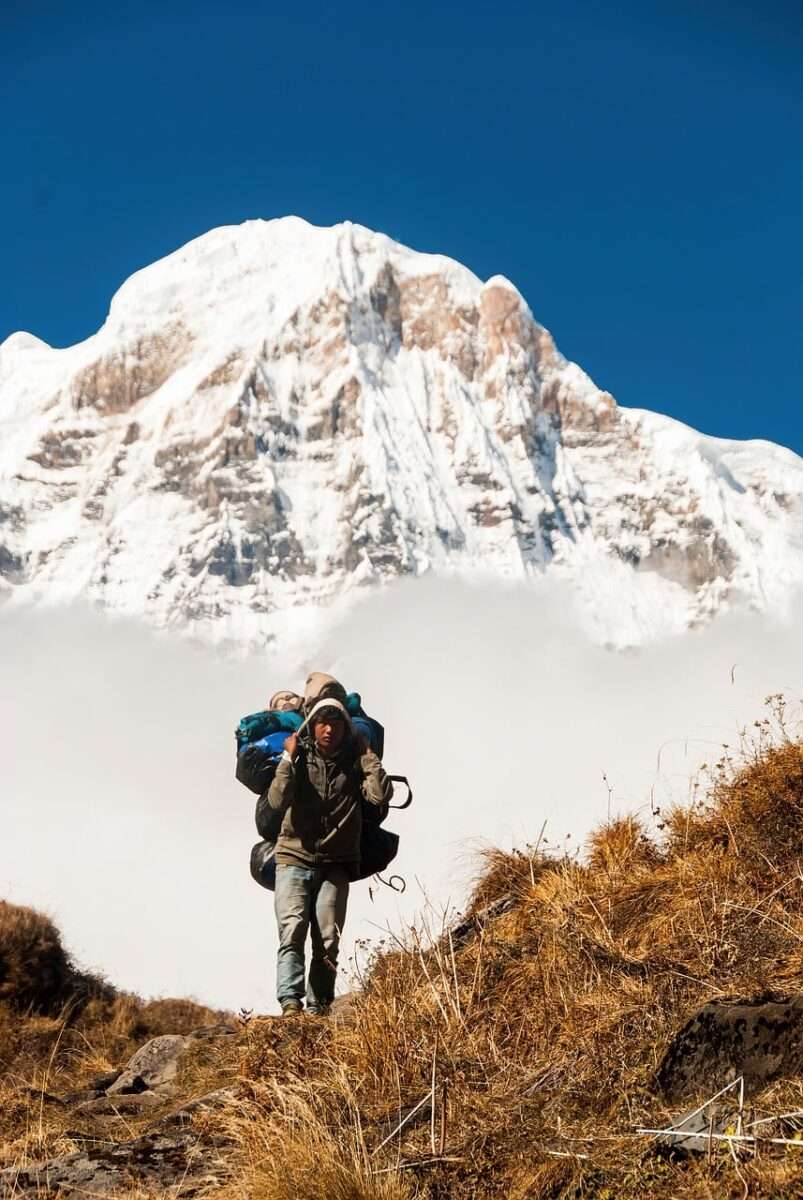
Insurance for 6,476 metres.
Mera Peak requires travel, mountaineering and rescue insurance that covers peak climbing to at least 6,500 metres and fully covers the maximum altitude of the tour.
The insurance must include helicopter rescue and emergency medical treatment following an evacuation.
The relevant proof of insurance must be provided before the journey begins.
PLANNING & BOOKING
Ready for Mera Peak?
STANDARD PRICE: PRICE ON REQUEST
Contact Sky Ridge for current availability, requirements and a personalised quote for Mera Peak.
Before booking, Purna will discuss your previous trekking and high-altitude experience with you and clarify whether Mera Peak matches your next step.
Booking
Peak-climbing trips require a deposit of 30% of the trip price. The remaining balance must be paid no later than 10 days before arrival in Nepal.
YOUR EXPEDITION MAKES A GREATER IMPACT
Give something back with every peak-climbing day.
For every booked expedition day, USD 10 from the trip price already paid goes to the Infinity Help Foundation – at no additional cost to you.
The Foundation supports, among other things, educational projects for children in Ramche, agricultural development and projects to improve local healthcare structures.

FAQ
Do I need technical climbing experience?
Mera Peak is technically less complex than many other Himalayan summits. You should, however, be able to use crampons. Additional technical preparation is planned in Khare.
Is Mera Peak suitable as my first 6,000-metre peak?
Mera Peak can be a sensible introduction to high-altitude mountaineering. Excellent fitness and responsible acclimatisation remain essential.
What is the biggest challenge?
More than the technical difficulty, the high altitude, the length of the journey and the long summit day make Mera Peak demanding.
Can I rent equipment in Kathmandu?
Sky Ridge recommends travelling with your own equipment that you already know well. If necessary, mountaineering boots and crampons can be rented in Kathmandu. Sky Ridge can recommend suitable shops but does not organise the rental itself.
How long does the journey take?
The Sky Ridge programme covers 19 days. The exact itinerary may be adjusted due to weather, acclimatisation and conditions.
Is the sleeping mat at High Camp included?
Yes. The sleeping mat for the overnight stay at Mera High Camp is provided by Sky Ridge.
How large is the group?
Sky Ridge plans Mera Peak journeys with 7 to a maximum of 11 participants. Private journeys can also be arranged.