SAFETY · PREPARATION
The summit is the goal. The return remains the responsibility.
A Himalayan journey begins long before the first step on the mountain. Choosing the right tour, preparing realistically, allowing enough time for altitude and making clear decisions along the way are just as much part of the adventure for Sky Ridge as the objective itself.
PREPARATION BEGINS WITH PLANNING
Not every mountain is the right next step for everyone.
Trekking, peak climbing and high-altitude expeditions place very different demands on experience, fitness and mental preparation.
That is why, before a more demanding tour, Sky Ridge looks not only at your desired objective, but also at your previous experience and the requirements of the route.
Before a trip, Sky Ridge considers your fitness, technical preparation and planned objective.
If Purna or the guide in charge considers an objective too demanding for your current level of experience, a more suitable alternative will be recommended.
This may mean, for example, first gaining experience on a lower peak before taking the next step to greater altitude.
The goal remains yours. The path towards it, however, should be planned realistically.
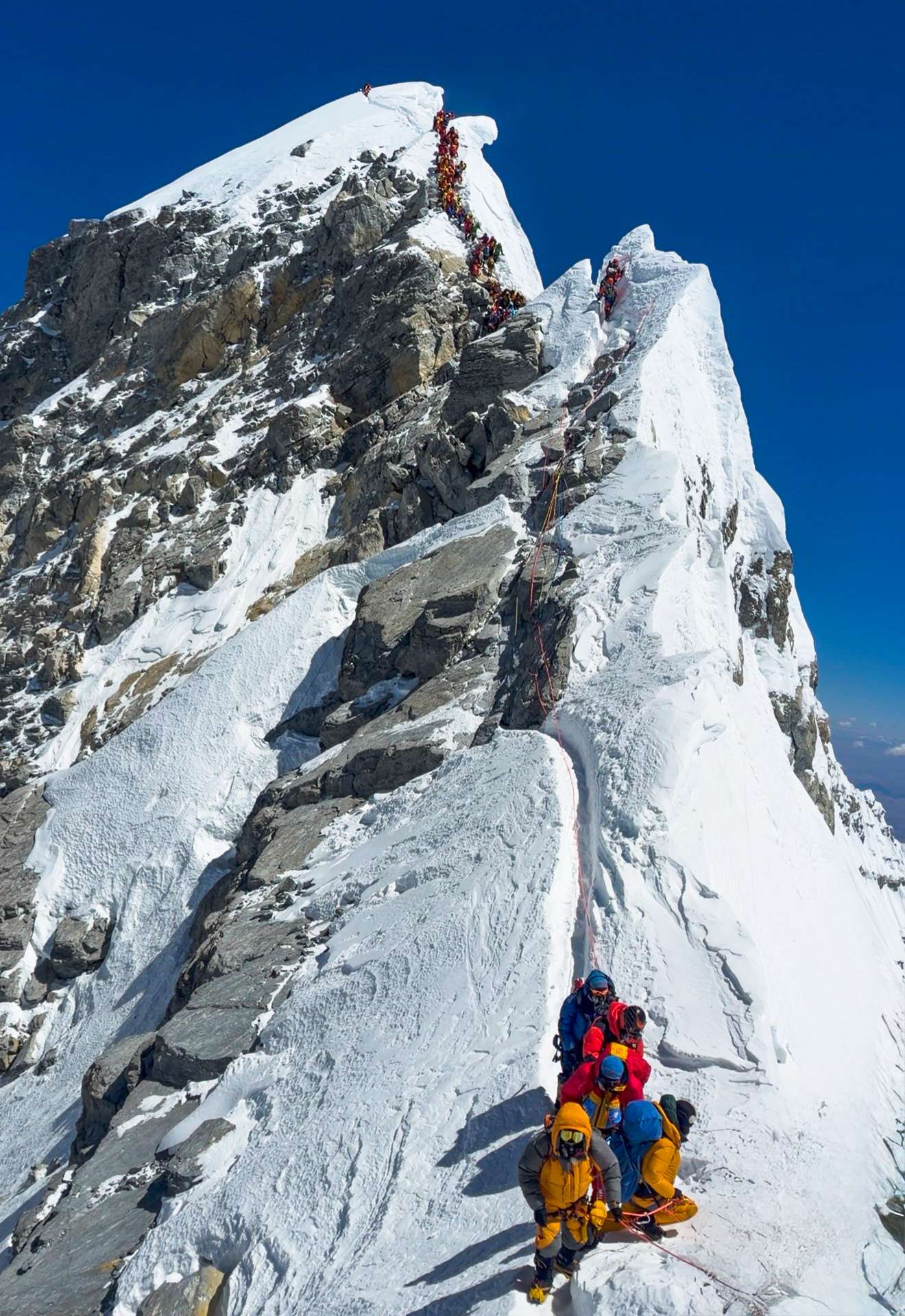
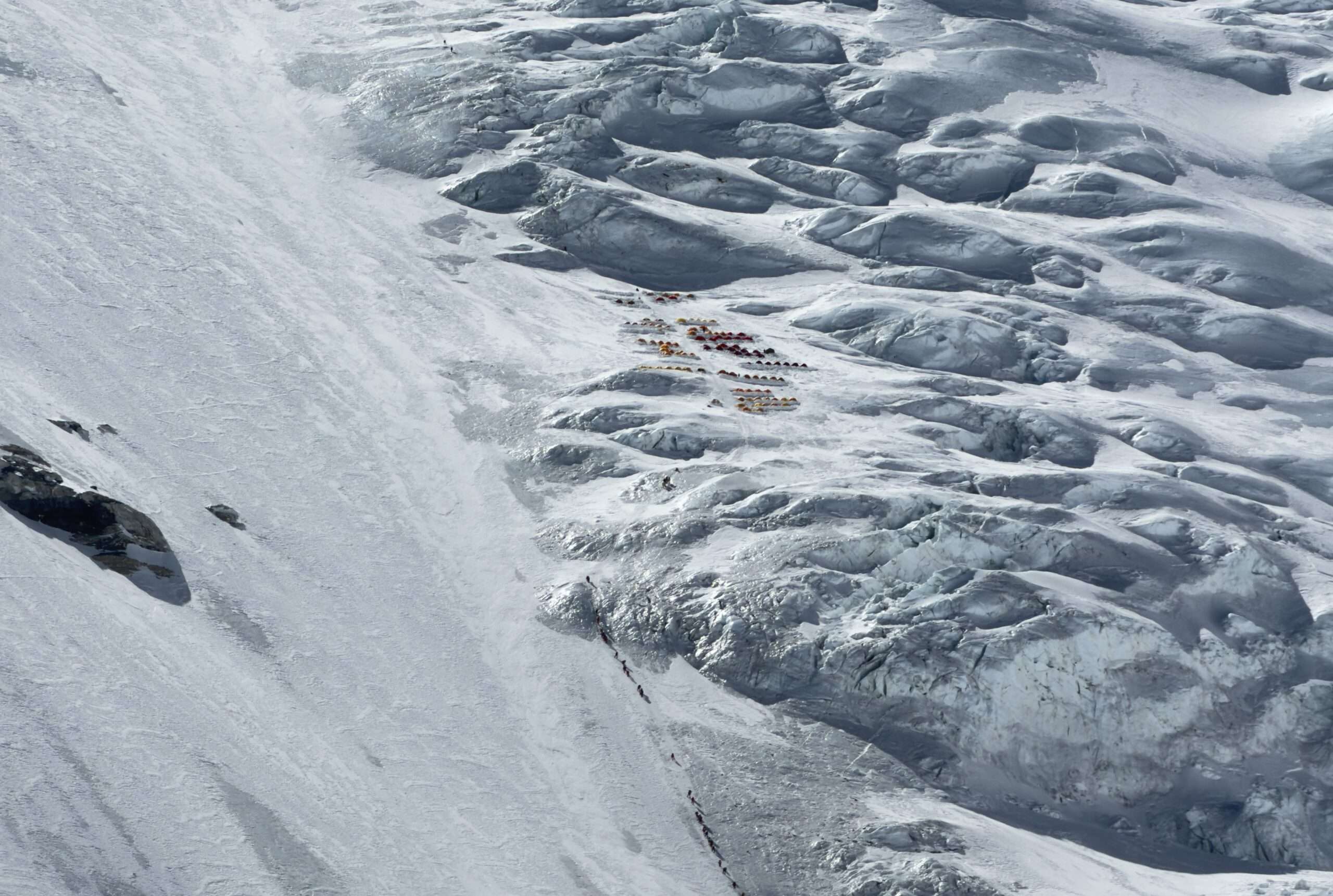
Altitude takes time – and attention.
Acclimatisation is a central part of every journey to high altitude. Route, rest days and altitude profile are planned according to the tour and can be adapted to experience, physical condition and conditions along the way.
During the journey, the guides monitor guests' condition and watch for changes that may indicate altitude-related or general health problems. Basic medical monitoring equipment is used when needed.
If signs appear that make continuing irresponsible, the itinerary can be adjusted, a descent initiated or an evacuation organised. The summit remains a goal – the guest's health takes priority.
RESPONSIBILITY ALSO MEANS TURNING BACK
Not every summit attempt ends on the summit.
Weather, snow conditions, altitude, physical condition and other factors can change a tour at any time.
On the mountain, the guide in charge decides whether an ascent can continue under the current conditions or whether turning back is necessary.
These decisions matter before something goes wrong, not only after. Good guiding means assessing situations early, communicating openly and changing a plan when necessary.
Turning back responsibly is not a failure. It can be the right decision for a safe return.
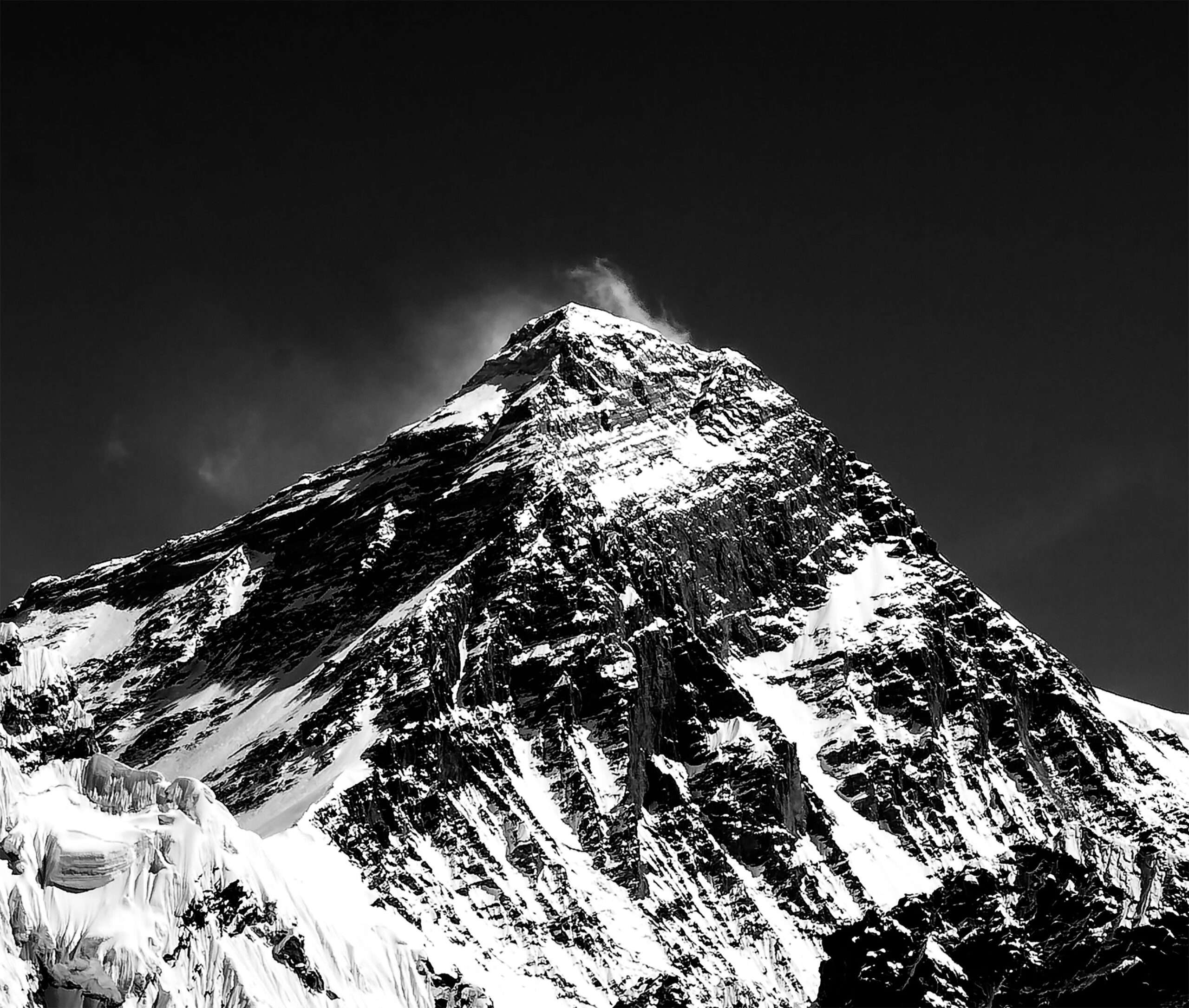
Prepared for situations that cannot be planned.
Sky Ridge carries basic first-aid equipment. The guides provide first aid within the scope of their training, but do not perform advanced medical treatment reserved for qualified medical professionals.
On 6,000-metre peak-climbing trips, supplementary oxygen is not normally carried as personal summit equipment. Emergency oxygen may be accessible at designated camps. On higher expeditions, oxygen arrangements depend on the mountain and the selected expedition package.
Depending on the trip and region, satellite phones and radios are available for communication. Where mobile coverage is available, mobile phones can also be used.
When descending on your own is no longer enough.
The type of rescue possible depends on altitude, weather, terrain and the specific situation.
Where helicopter rescue is possible and can be carried out safely, an evacuation by helicopter can be organised. If a direct pick-up is not possible, the affected person must first be brought to a suitable evacuation point.
The specific decision always depends on conditions on the ground and the capabilities of the rescue services.

INSURANCE
The right insurance is part of your preparation.
Every guest must provide valid proof of insurance before the trip begins. The insurance must be appropriate for the booked activity and the maximum altitude of the journey
Expeditions above 7,000 / 8,000 m
For expeditions on 7,000- and 8,000-metre mountains, Sky Ridge requires insurance whose altitude and activity cover extends to at least 9,000 metres.
The policy must cover helicopter rescue within the limits of actual rescue conditions, emergency medical treatment in Nepal and repatriation or, in the event of death, repatriation of remains.
Sky Ridge checks the relevant proof of insurance before the expedition begins
Peak Climbing
For peak-climbing trips above 6,000 metres, the insurance must cover the actual summit altitude and the corresponding mountaineering activity.
In particular, it must include helicopter rescue at the relevant altitude as well as emergency medical treatment following a rescue.
The individual tour pages also state the specific altitude cover required.
Trekking
For trekking trips, Sky Ridge requires insurance that covers trekking up to at least 5,500 metres and includes the following benefits:
- Helicopter rescue
- medical treatment
- repatriation
Check your policy before booking.
Not every travel insurance policy automatically covers trekking or mountaineering at high altitude. Before booking, therefore, check in particular the maximum insured altitude, the booked activity, rescue and evacuation costs, and medical treatment.
Sky Ridge requires minimum cover of USD 100,000 for emergency evacuation and USD 100,000 for medical treatment and hospitalisation.
For serious incidents such as avalanche accidents, severe altitude sickness or fatalities, Sky Ridge additionally recommends more extensive cover of around USD 200,000.
Which benefits are included – particularly any benefits for dependants – should be clarified directly with the insurer before taking out the policy.
What happens after your enquiry?
Step 1
CLARIFY YOUR TOUR & REQUIREMENTS
Sky Ridge discusses your goal, previous experience and the key requirements of your journey with you.
Step 2
RECEIVE DETAILS & CONDITIONS
Depending on the tour, you receive further information, requirements and, where applicable, a preparation checklist.
Step 3
CONFIRM YOUR BOOKING
Once your journey is confirmed, you receive the payment information and booking documents.
Step 4
PREPARE FOR YOUR TRIP
You will then receive specific travel information on equipment, insurance, arrival and further preparation.
FAQ
Can Sky Ridge guarantee a successful summit?
No. Weather, mountain conditions, acclimatisation and your physical condition can affect a summit attempt. Sky Ridge can, however, ensure careful preparation, clear communication and responsible decisions throughout the journey.
What happens if I do not yet have enough experience for a tour?
Sky Ridge will discuss a more suitable alternative with you and can recommend an objective where you can first gain further experience.
Who decides whether to continue climbing on the mountain?
The guide in charge assesses the current situation and decides whether continuing the ascent is responsible or whether the team must turn back.
Do I need special insurance?
For many Himalayan journeys, yes. Your insurance must cover the planned activity, maximum altitude and, where applicable, rescue and evacuation costs. The relevant proof must be provided before the trip.
What clothing and equipment do I need?
That depends heavily on the route, season and maximum altitude. You need different equipment for a trekking tour than for a technical peak climb or high-altitude expedition. Before your trip, you will therefore receive a packing and equipment list suited to your specific adventure.
Can I rent or buy equipment in Nepal?
Many equipment items can be arranged in Nepal. Before your trip, you will clarify directly with Sky Ridge which clothing and technical equipment should be rented, purchased or brought with you for your tour.
How fit do I need to be for my trip?
That depends on the duration, altitude and technical demands of the tour. When planning, Sky Ridge considers your previous experience and current level and explains what physical preparation is advisable for your chosen adventure.
What happens if I have problems with the altitude?
The guides monitor participants' condition and speak with them regularly about how they are feeling. If symptoms indicate that continuing the ascent is not advisable, the itinerary may be adjusted or a descent may become necessary.
What is included in my trip?
Included services vary by tour. Before booking, you receive a clear overview of which services, accommodation, meals, transfers, permits and support services are included and which costs are additional.
When should I book my trip?
Early planning is recommended for most tours, particularly expeditions and trips with limited seasonal windows. Depending on the route and season, Sky Ridge can advise how far in advance you should plan.